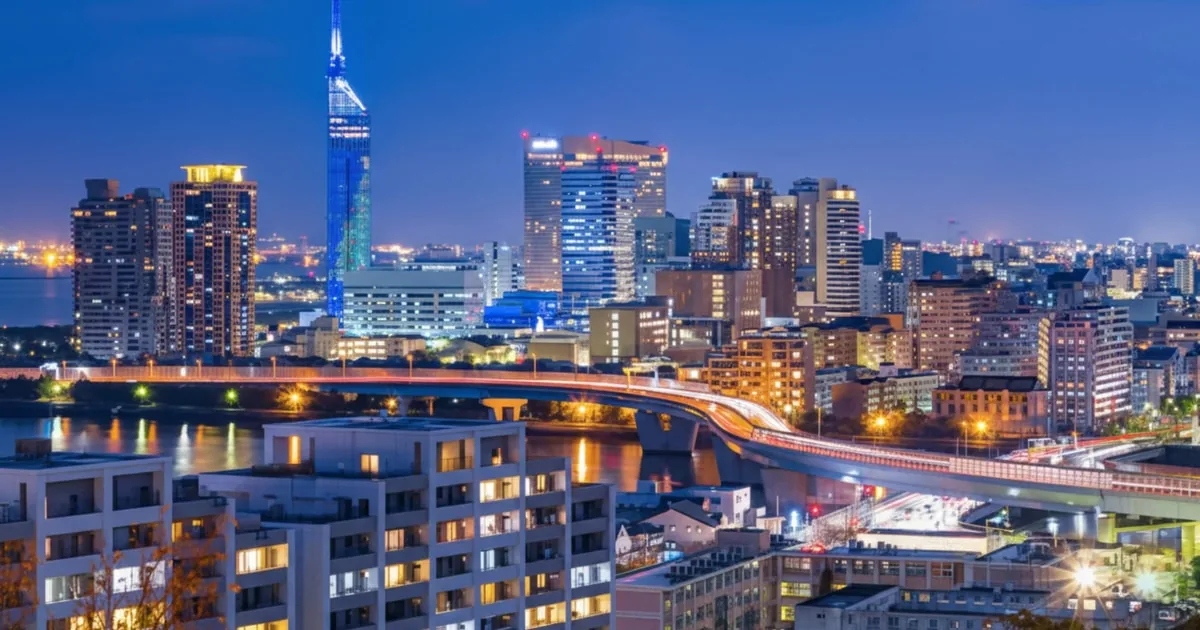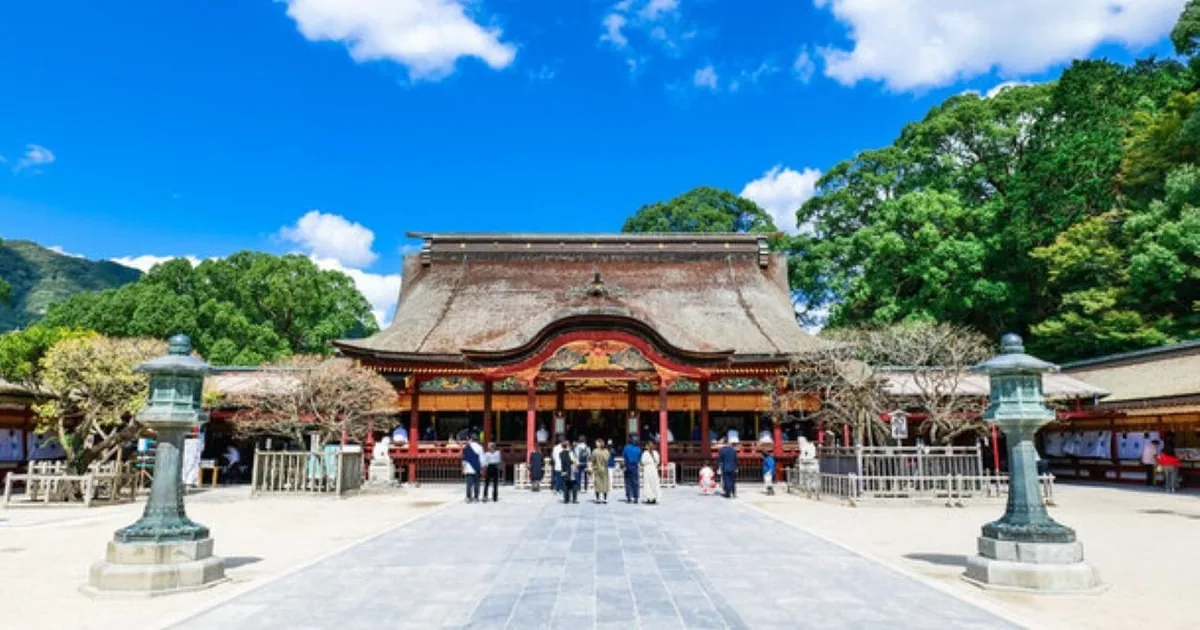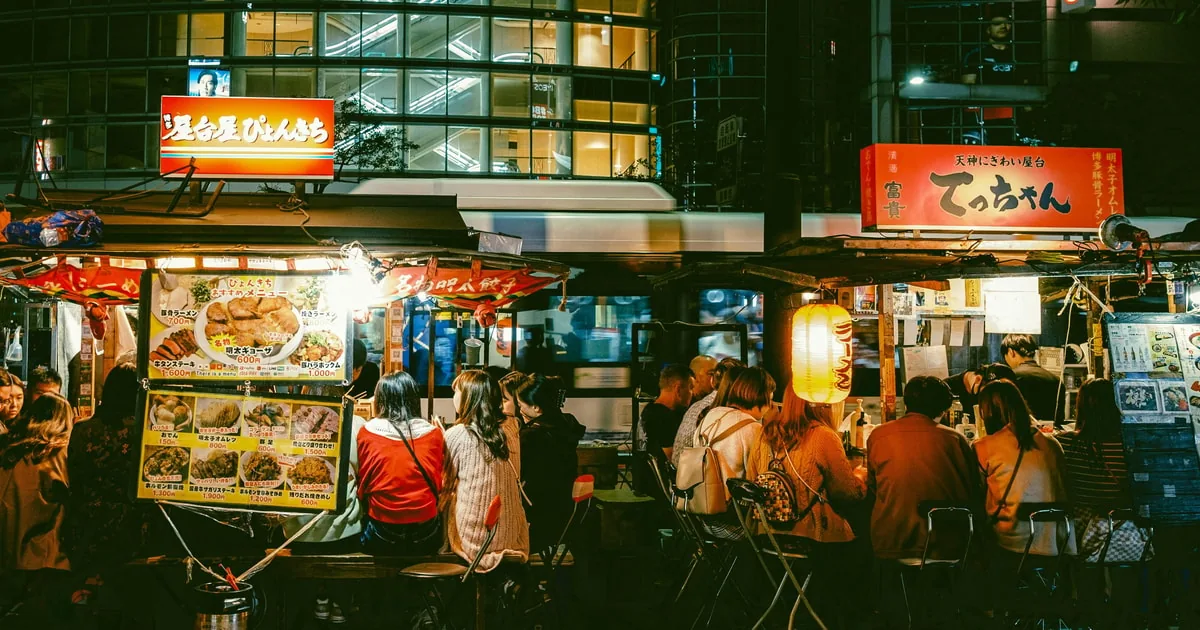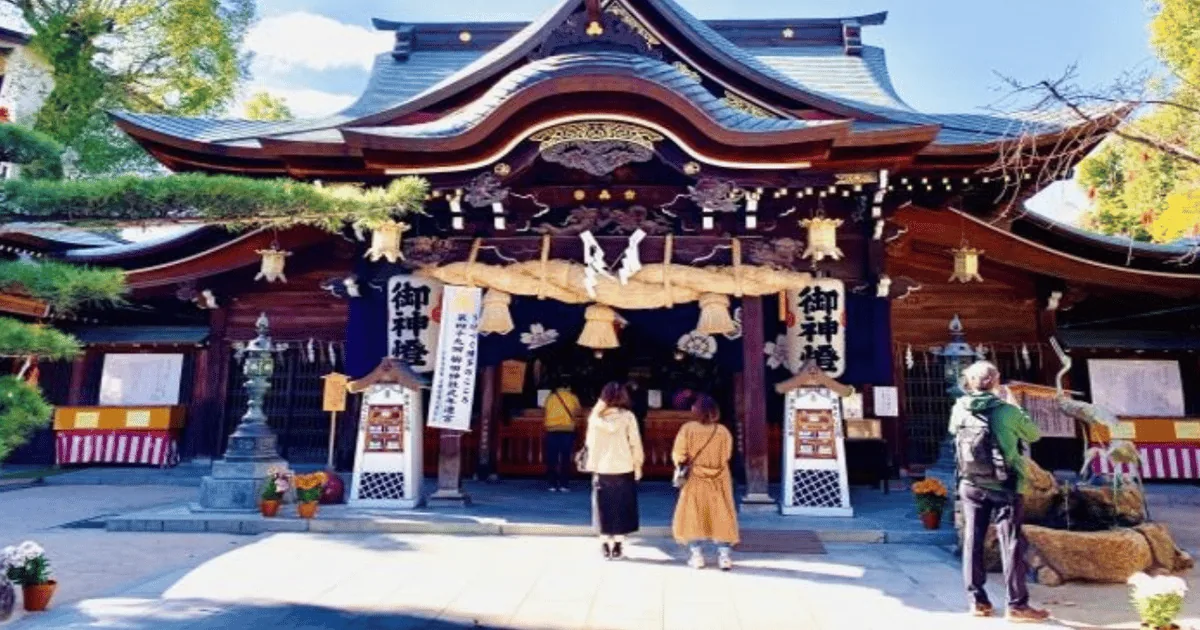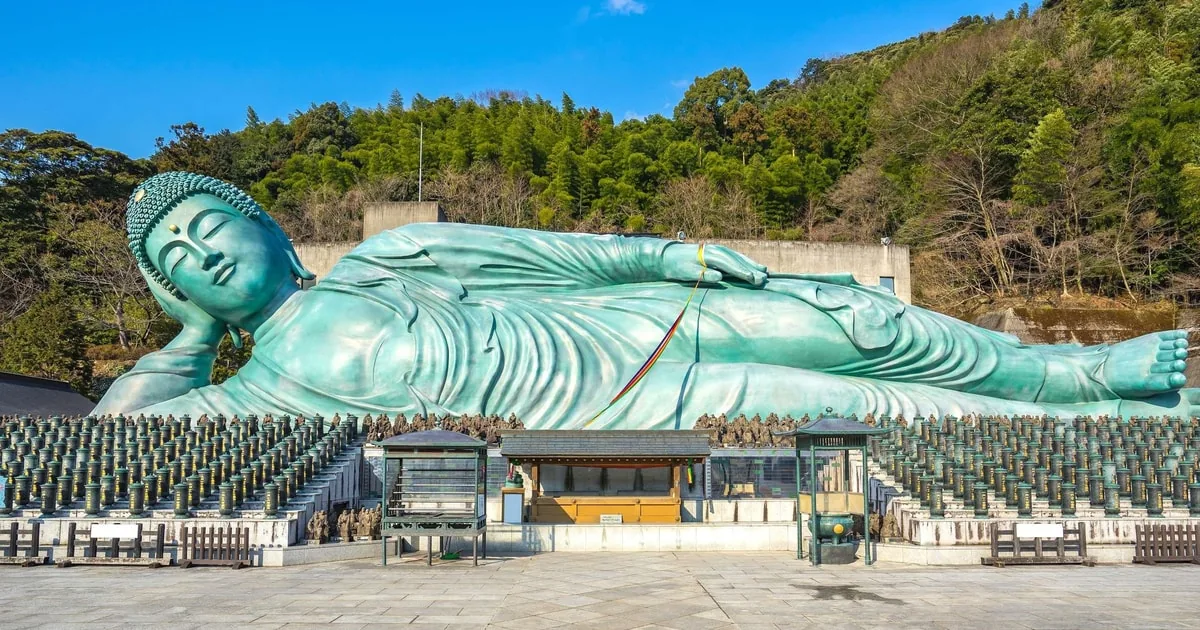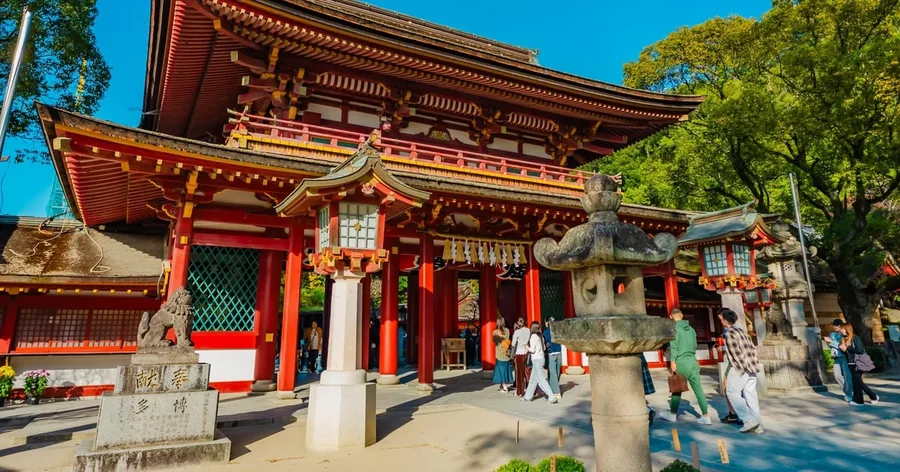
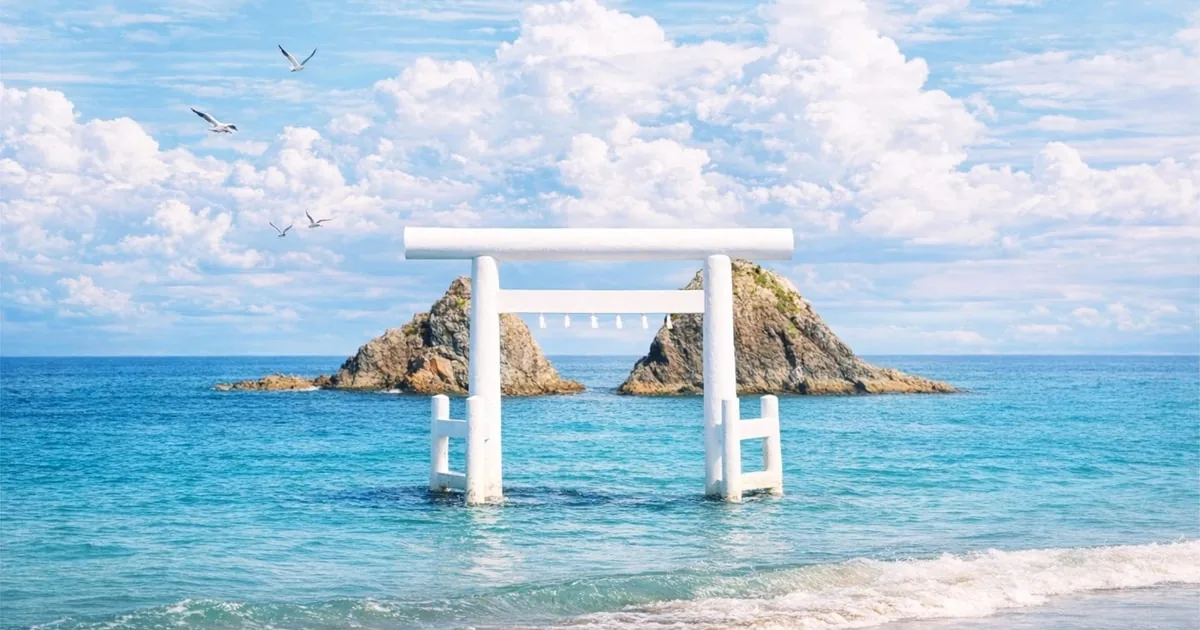
Booking choice: The Sacred Path temples walk, ★ 4.9 (21). Check dates Compare the options below
Fukuoka sits on the north coast of Kyushu, and its climate is milder than Tokyo's in winter and similar in summer. The figures below are the Japan Meteorological Agency's long-term averages for the city (1991 to 2020), so a given year can be warmer, wetter or drier. Almost everything in the city, from the temples of old Hakata to the yatai food stalls, runs all year, so the question is less when you can come than what you want to find when you arrive.
This guide goes through the year season by season, with a month-by-month table, the rainy season and typhoons, the festivals worth planning around, and what to pack. How many days to spend is in Fukuoka in three days, and what to eat in each season in what to eat in Fukuoka.
The quick answer
The best months to visit Fukuoka are March to May and October to November. Average highs are about 15 to 24 °C in spring and about 18 to 24 °C in autumn, with less rain than in summer. Cherry blossom usually opens around 22 March (24 March in 2026), and the Fukuoka Castle ruins and Maizuru Park are the classic viewing spot. The rainy season usually runs from early June to mid July, July is the wettest month, and typhoons are most likely in August and September. The big festivals are Hakata Dontaku on 3 and 4 May, the Hakata Gion Yamakasa from 1 to 15 July with its dawn race on the 15th, and Hojoya at Hakozaki Shrine in mid-September; the Kyushu Grand Sumo Tournament fills November. Winter (December to February) is cool, with highs of about 10 to 13 °C, few crowds, hotpots and Amaou strawberries.
Which month is best to visit Fukuoka, Japan?
April, May, October and November are the best all-round months: mild, fairly dry and good for long walks. Late March adds cherry blossom, and early July adds the Yamakasa festival if you do not mind heat and rain.
By the averages, the comfortable window opens in late March, when highs reach about 15 °C and the cherry trees flower, and runs to the end of May, before the rainy season. It opens again in October, when the summer heat and the typhoon season fade, and lasts through November, when the autumn colours arrive and highs are still around 18 °C. In these months you can walk old Hakata in the morning, spend the afternoon at Ohori Park or the sea, and sit at a yatai in the evening without thinking about the weather.
The quieter months have their own rewards. Winter is cool and dry, with short queues and the best hotpot weather; summer is loud and festive, the time for the Yamakasa, the beaches and long evenings by the river. The only weeks worth avoiding if you can are the heaviest rain of late June and early July and, in August and September, the days when a typhoon is forecast.
A walk that works in every season: three hours through Hakata's great temples and shrines in a small group, with the Canal City fountain show on the way.
Check dates for the Sacred Path temples walkWhat is the weather like in Fukuoka each month?
Mild winters, warm springs, hot and humid summers and pleasant autumns. The table shows the average high and low and the average rain for each month, with what is worth knowing.
Averages from the Japan Meteorological Agency's Fukuoka station, 1991 to 2020. Rain is the monthly average in millimetres; June and July together bring about a third of the year's rain.
| Month | Weather | Worth knowing |
|---|---|---|
| January | About 10 °C by day, 4 °C at night; 74 mm | Hotpot season; Amaou strawberries; heated kotatsu boats in Yanagawa |
| February | About 12 °C by day, 4 °C at night; 70 mm | Plum season; Dazaifu Tenmangu is known for its plum trees |
| March | About 15 °C by day, 7 °C at night; 104 mm | Cherry blossom from about 22 March; spring light-up at the castle ruins |
| April | About 20 °C by day, 12 °C at night; 118 mm | Blossom into early April; one of the best walking months |
| May | About 24 °C by day, 16 °C at night; 134 mm | Hakata Dontaku on 3 and 4 May; busy Golden Week holidays |
| June | About 27 °C by day, 20 °C at night; 250 mm | Rainy season from early June; Kushida's float is off display this month |
| July | About 31 °C by day, 25 °C at night; 299 mm | Yamakasa 1 to 15 July; rainy season usually ends mid July |
| August | About 32 °C by day, 25 °C at night; 210 mm | The hottest month; beach season; typhoons possible |
| September | About 29 °C by day, 22 °C at night; 175 mm | Hojoya at Hakozaki Shrine, 12 to 18 September; typhoons possible |
| October | About 24 °C by day, 16 °C at night; 95 mm | Dry and comfortable; Nagahama fish market public day on 10 October |
| November | About 18 °C by day, 11 °C at night; 91 mm | Autumn colours; sumo 8 to 22 November; Fukuoka Marathon 8 November |
| December | About 13 °C by day, 6 °C at night; 68 mm | Christmas markets and lights at Hakata Station and in Tenjin |
When do the cherry blossoms bloom in Fukuoka?
Usually in the last week of March. The average opening date is 22 March; in 2026 the blossom opened on 24 March. The best spot in the city is Maizuru Park and the Fukuoka Castle ruins, with about 1,000 cherry trees.
Full bloom follows about a week after opening, so late March to early April is the time to aim for. The castle ruins hold a cherry blossom festival each spring (25 March to 8 April in 2026), with the trees lit up in the evening, and walking up through the stone walls under the blossom is one of the best hours you can spend in the city. Ohori Park next door, the riverbanks and many temple grounds in old Hakata add more trees.
Spring stays good after the blossom. April and May are warm, bright and still fairly dry, ideal for day trips: Dazaifu, Nokonoshima's flower fields or the Itoshima coast. Early May brings Golden Week, a run of Japanese public holidays, when trains and hotels are busier, and Hakata Dontaku on 3 and 4 May, a big, cheerful parade festival along Meiji-dori that draws about 2 million people in a normal year. Hidden spring spots are in Fukuoka hidden gems.
Blossom in the lanes of old Hakata: a private three-hour walk with a local host through Shofukuji, Tochoji and Kushida Shrine.
Check dates for the Fukuoka Essentials walkWhen is the rainy season, and do the yatai open in the rain?
The rainy season usually runs from early June to mid July; in 2026 it started around 4 June and ended early, around 8 July. Many yatai close on rainy or stormy nights, so keep a back-up plan for dinner.
In northern Kyushu the rainy season (tsuyu) brings grey skies, humid air and days of steady or heavy rain, though it rarely rains all day every day. June and July together are the wettest months of the year. Carry a compact umbrella, plan indoor stops for the heaviest hours and keep outdoor walks for the dry spells.
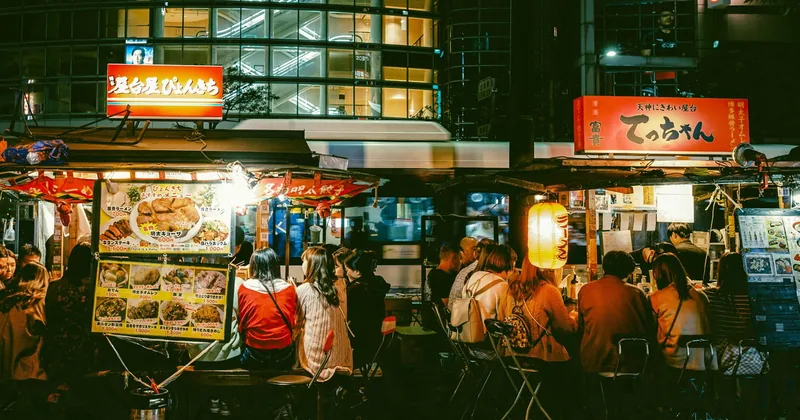
- The yatai: the stalls are open-air, and many close in rain, bad weather and typhoons. Light drizzle usually does not stop them; heavy rain often does. On a guided night, the Nakasu yatai tour moves to an indoor alternative in heavy rain, according to reviewers.
- Indoor plans: Canal City, the Tenjin underground mall, the Hakata Machiya Folk Museum, the Fukuoka Asian Art Museum in Hakata Riverain (reopened after refurbishment in 2026, closed Wednesdays) and Tochoji's hall all keep you dry.
- Temples in the rain: the moss and stone paths of old Hakata look their best when wet, and they are even quieter.
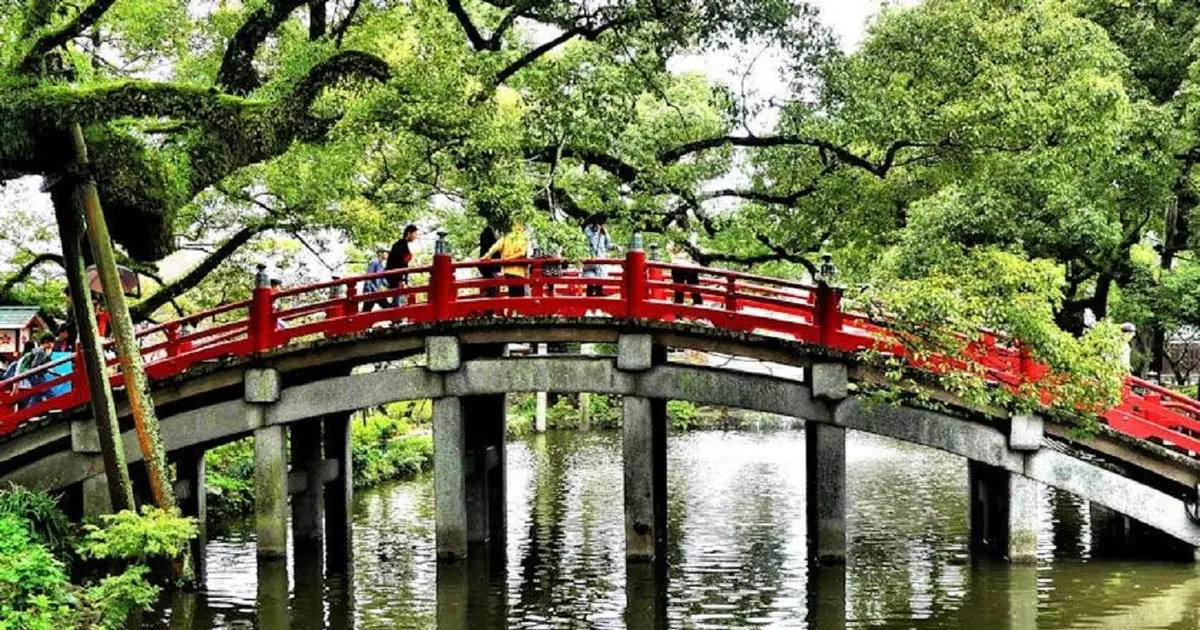
Your first yatai night with a guide who orders for you: a food and drink allowance at each stall, and an indoor plan if heavy rain closes the stalls.
Check dates for the Nakasu yatai night tourWhat is summer like in Fukuoka?
Hot and humid, with highs of about 31 to 32 °C in July and August, and full of festivals. It is the time for the Hakata Gion Yamakasa, the beaches at Momochi and Itoshima, and long evenings by the river.
The Hakata Gion Yamakasa runs from 1 to 15 July and is the city's great festival, listed by UNESCO as intangible cultural heritage. Decorated floats stand around Hakata during the first half of the month, and teams of men in short coats and loincloths practise carrying racing floats through the streets. It ends with the Oiyama, a race over a course of about 5 km that starts at 4:59 in the morning on 15 July at Kushida Shrine. It is worth setting an alarm for.
For the sea, Seaside Momochi Beach Park, an artificial beach below Fukuoka Tower, is a short bus ride from Tenjin, and Itoshima's beaches are about an hour west. The swimming season in Japan is mainly July and August, when beaches are staffed and lifeguards watch the water; swim at those beaches, inside the marked areas, and they are safe, easy places to cool off. In the city, walk early and late, rest indoors at midday, drink plenty of water and look for shade in the temple grounds.
When are typhoons most likely in Fukuoka?
Typhoons are most likely in August and September. Most summer weeks bring none, and when one does approach, the forecast gives several days' warning; plan a flexible day and follow local advice.
A typhoon usually means a day or two of strong wind and heavy rain, then clear skies. Trains, ferries and flights may stop for a time, the yatai close, and outdoor sights can shut early. Keep your plans flexible in these months: put day trips and the Nokonoshima ferry early in your stay so you can move them, keep indoor options for a stormy day, and check the Japan Meteorological Agency or your hotel for updates.
Every tour on this site gives a full refund if you cancel up to 24 hours ahead, which makes it easy to shift a booking when a storm is forecast. September also brings the Hojoya festival at Hakozaki Shrine (12 to 18 September in 2026), with stalls along the shrine approach for seven days and nights and about a million visitors.
What is Fukuoka like in autumn and winter?
Autumn is dry, clear and comfortable, with colours in the temple gardens in November and the Kyushu Grand Sumo Tournament. Winter is cool, with highs of about 10 to 13 °C, few crowds, lights in December and the best food of the year.
Autumn: October brings settled, dry weather, ideal for long walks and day trips. The leaves turn in November, in the gardens of old Hakata, at Ohori Park's Japanese garden and further afield in places like Takachiho Gorge. The Kyushu Grand Sumo Tournament runs from 8 to 22 November 2026 at the Fukuoka Kokusai Center, and the Fukuoka Marathon runs from Tenjin to Itoshima on 8 November. The Nagahama fish market opens to the public on 10 October and, as planned, 7 November.
Winter: December to February is the quietest time for sightseeing. From about November, Christmas markets and illuminations fill the plaza at Hakata Station and parts of Tenjin (the 2026 dates are not yet announced). It is hotpot season, motsunabe and mizutaki, and Amaou strawberries fill the shops. In Yanagawa, the boats that punt through the canals put in heated kotatsu tables from December to February. The yatai stay open in cold weather and are at their cosiest, with steaming oden and warm sake; the best way to find a good one on your first night is with a local guide at the Nakasu stalls.
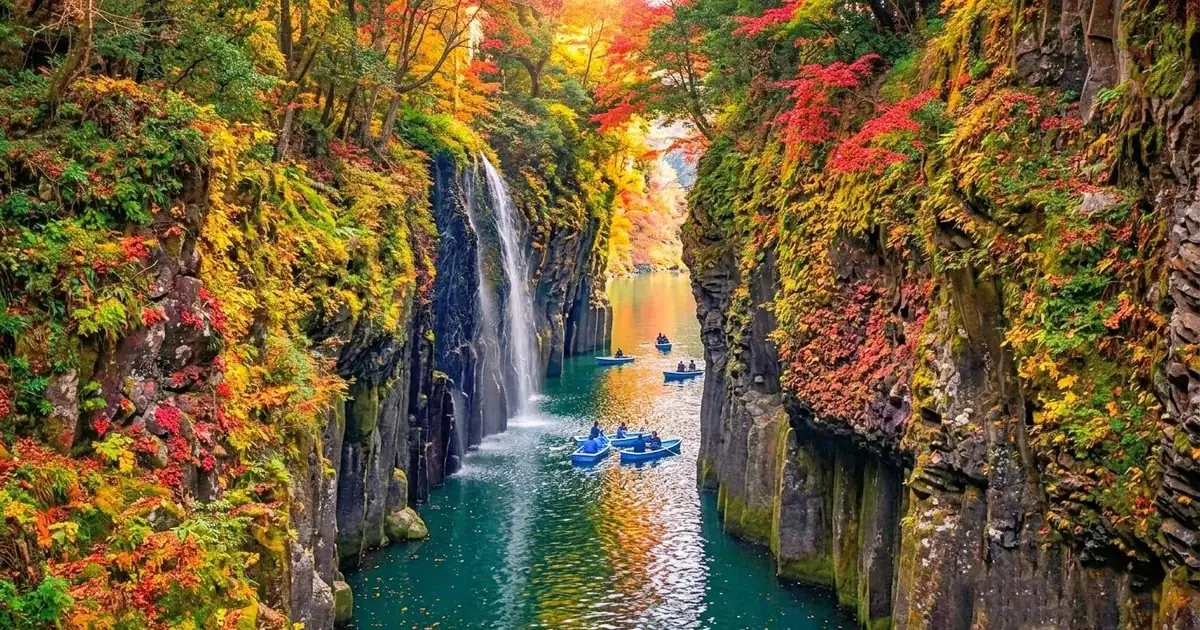
Old Hakata with a private local host in any season: Shofukuji, Tochoji's wooden Buddha, Kushida Shrine and the Kawabata arcade in three hours.
Check dates for the Fukuoka Essentials walkWhat should you wear in Fukuoka in each season?
Layers in spring and autumn, light breathable clothes and sun protection in summer, and a warm coat in winter. Comfortable walking shoes all year, and an umbrella from June to September.
- Spring (March to May): a light jacket or jumper over a shirt; evenings in March and early April can be cool, especially at a riverside yatai.
- Rainy season (June to mid July): a compact umbrella, shoes that cope with wet streets and a light layer for air-conditioned trains and shops.
- Summer (mid July to September): light, breathable clothes, a hat, sunscreen and a water bottle. For temples and shrines, shorts are fine, but carry something to cover your shoulders if you want to feel at ease in the halls.
- Autumn (October to November): a shirt by day and a jumper or light jacket by night.
- Winter (December to February): a warm coat, scarf and gloves for the evenings; nights drop to about 4 °C in January and February. Many restaurants ask you to take off your shoes, so easy slip-on shoes help.
Whatever the season, you will walk more than you expect: the temple quarter, the castle ruins and Ohori Park are all best on foot. Plan your walking day with the one-day route.
Frequently asked questions
Is Fukuoka worth visiting in winter?
Yes. Winter is cool rather than cold, with highs of about 10 to 13 °C, few crowds and dry, often clear days. It is the best season for hotpots and Amaou strawberries, the Christmas lights run through December, and the yatai are at their cosiest.
When is the Hakata Gion Yamakasa?
From 1 to 15 July every year. Decorated floats stand around Hakata through the first half of the month, and the festival ends with the Oiyama race, which starts at 4:59 in the morning on 15 July at Kushida Shrine.
Is August a good time to visit Fukuoka?
It works if you like heat and the sea. August is the hottest month, with highs of about 32 °C, and typhoons are possible. Plan temples and walks for early morning and evening, the beaches and indoor sights for the middle of the day, and keep your plans flexible.
When is the best time to see cherry blossom in Fukuoka?
Late March to early April. The average opening date is 22 March, and full bloom follows about a week later. Maizuru Park and the Fukuoka Castle ruins, with about 1,000 trees, are the best-known spot, and the trees are lit up in the evening during the spring festival.
Ready to book
Choose your tour
Check your date and the live price on GetYourGuide; the refund terms are shown on each option.
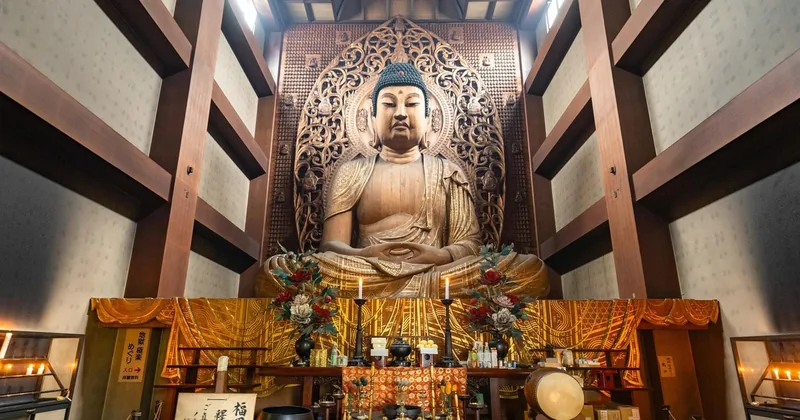
Fukuoka Essentials: Hakata Walking Tour
- A private walk with a local host, just your group
- Shofukuji, Tochoji, Kushida Shrine and the Kawabata arcade
- Meet at your central hotel or at Hakata Station
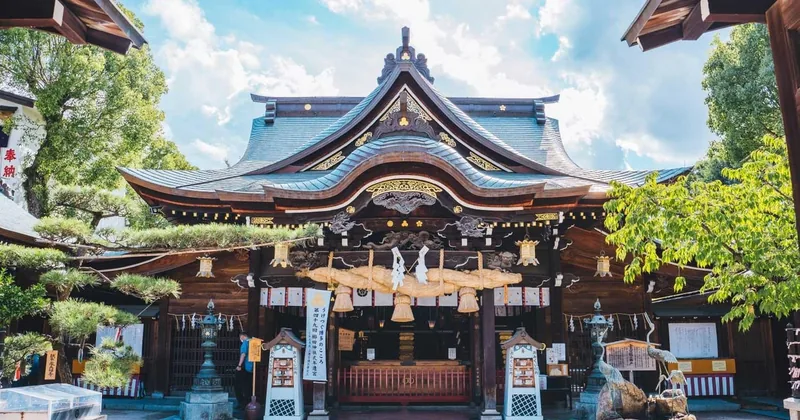
Sacred Path: Hakata Temples & Shrines
- A three-hour guided walk in a small group
- Shofukuji, Tochoji, Kushida Shrine and Sumiyoshi Shrine
- A stop for the Canal City fountain show
Nakasu Yatai Food Stall Night Tour
- A private guide for your group, in English
- Visits to two or three yatai food stalls
- A food and drink allowance at each stall