Temple walks through old Hakata, yatai nights by the river and private guides, compared
honestly, with what to eat, where to stay and how many days the city needs.
Facts checkedSights, hours and transport from official city sources
Real guest ratingsLive GetYourGuide figures, low review counts included
Refund terms per tourEvery tour here refunds in full up to 24 hours ahead
Secure checkoutBook on GetYourGuide, instant confirmation
City tours
Choose your Fukuoka tour
In the centre, a private three-hour walk through old Hakata with a local host. On the left, an
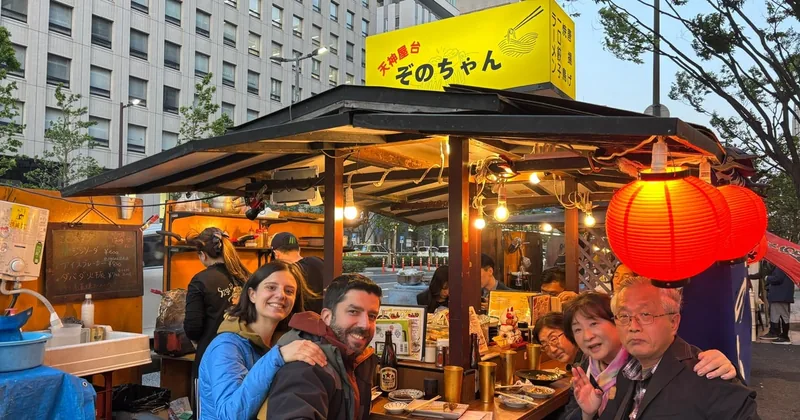
evening at the yatai food stalls with a guide who orders for you. On the right, a small-group walk to four of the
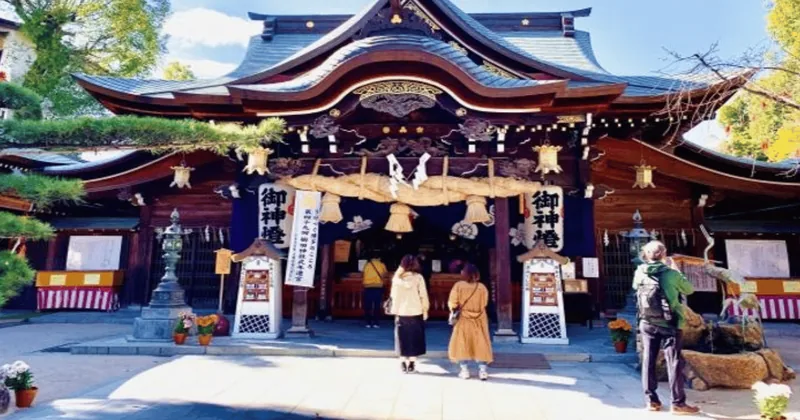
city's great temples and shrines.
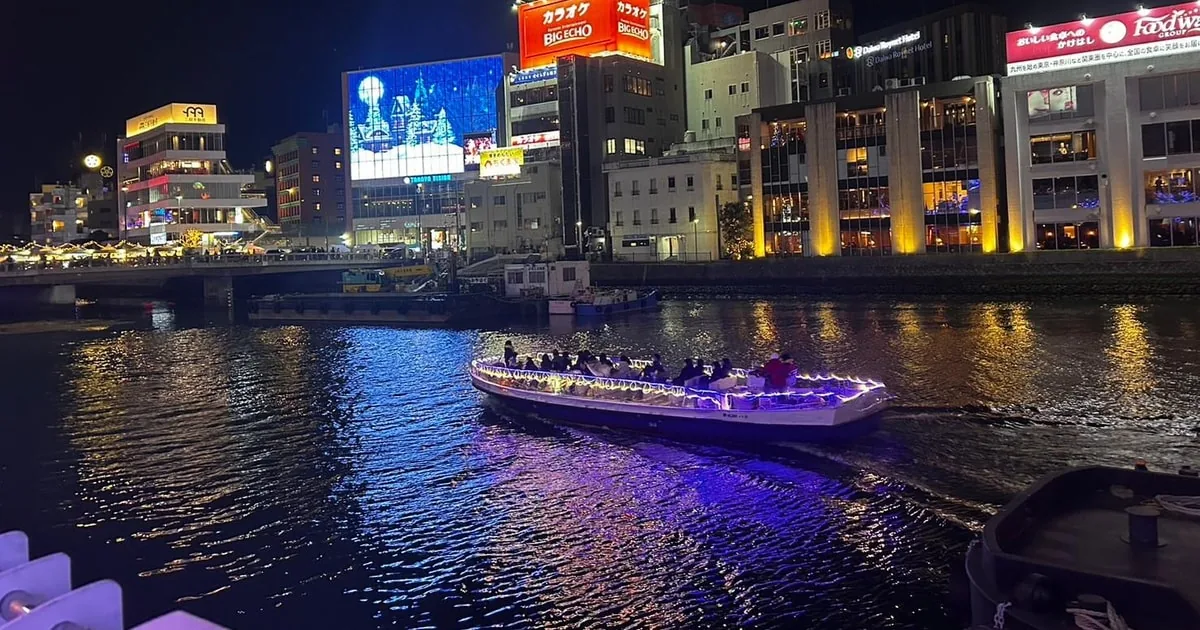
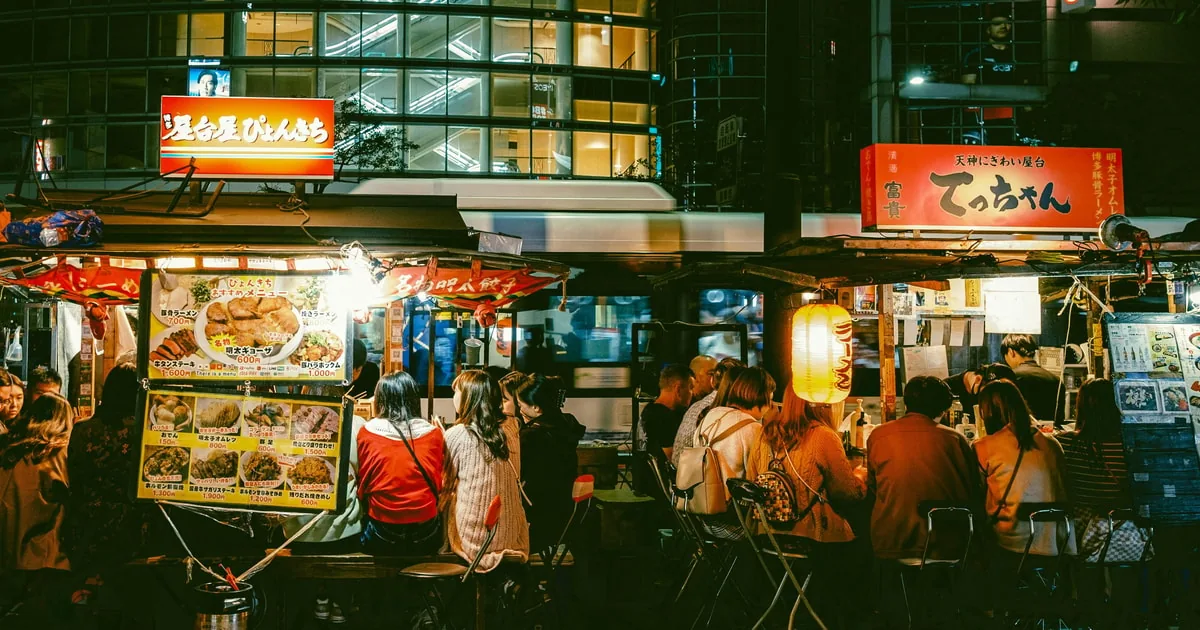
A private evening at the open-air yatai food stalls with a local guide who orders for you, with a food and drink allowance at each stall. In heavy rain it moves indoors.
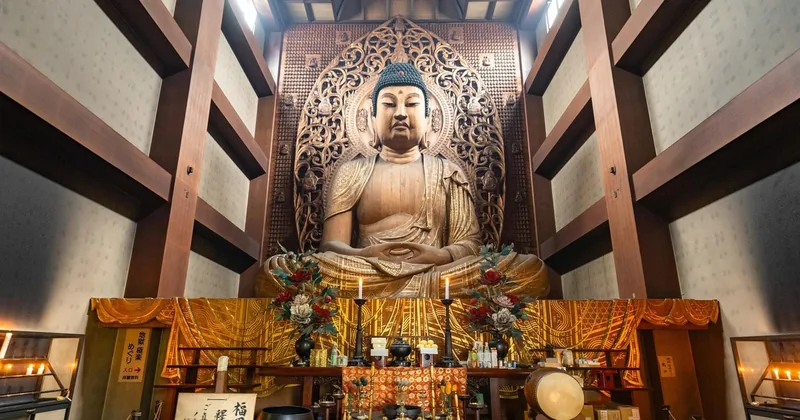
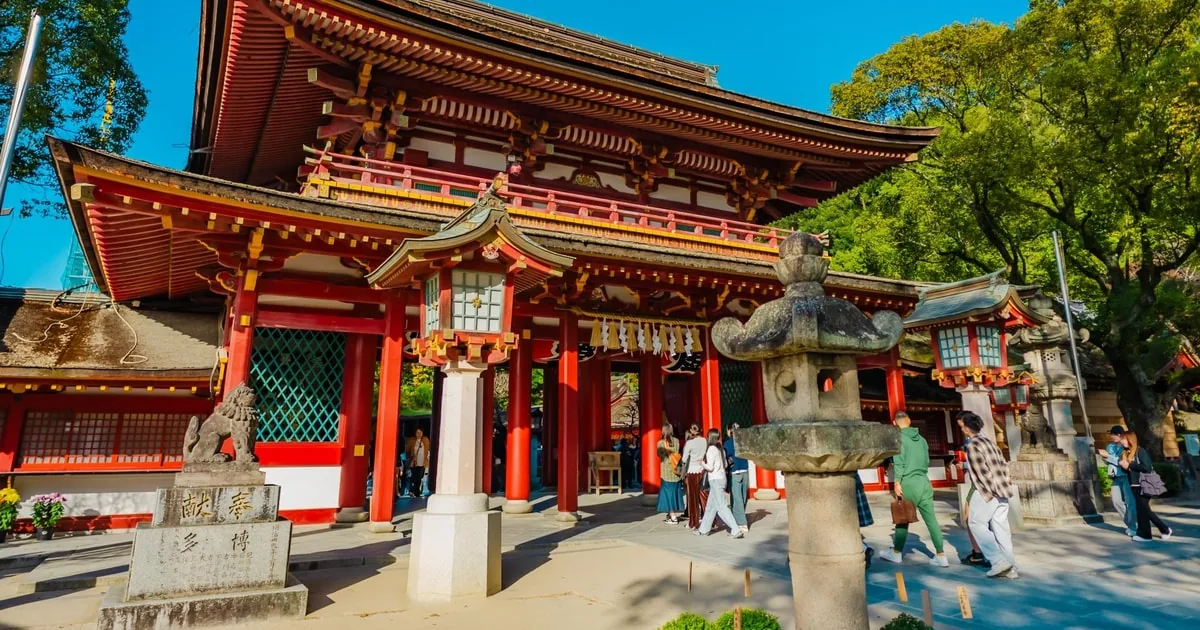
Three hours on foot with a local host through old Hakata: Shofukuji, Tochoji and its great wooden Buddha, Kushida Shrine and the Kawabata arcade. Tickets and food are extra.
What's included
A private walk with a local host, just your group
Shofukuji, Tochoji, Kushida Shrine and the Kawabata arcade
Meet at your central hotel or at Hakata Station
Food, drinks, transport and entry tickets not included
Shofukuji, Japan's first Zen temple, then Tochoji, Kushida Shrine and Sumiyoshi Shrine, with the Canal City fountain show on the way. Guided in English or German.
What's included
A three-hour guided walk in a small group
Shofukuji, Tochoji, Kushida Shrine and Sumiyoshi Shrine
The first row is the baseline: Fukuoka is compact, and the subway and your own feet reach almost
every sight. Each tour below adds something: a guide who knows the stories behind the temples, a local who
orders at the yatai for you, or a route built around what you like.
Option
Starts
Best for
Length
Rating
Cancel
On your own
Hakata Station or Tenjin
Independent walkers happy with a map, the subway and pointing at menus
Entry to Shofukuji, Tochoji's grounds and Kushida Shrine needs no ticket. The yatai
tours run in the evening; stalls close in heavy rain and many rest one day a week, so the guide picks the stalls on
the night.
What the tour pages don't tell you
Most Fukuoka tours leave the city.
Search for a Fukuoka tour and the listings with hundreds of reviews are coach day trips out of town:
Takachiho Gorge, Mount Aso, Beppu's hot springs, each three hours or so away by road. The tours of the city itself
are small, mostly private walks and food nights with tens of reviews, not thousands. The one open-top sightseeing bus, which loops out of
Tenjin, is sold by the bus company itself.
That is because Fukuoka barely needs a tour. It is one of the most compact big cities in Japan: Hakata
and Tenjin are about five minutes apart by subway, the temples of old Hakata are a short walk from the
station, and the airport is two stops away. A guide earns their place in two spots: the history hidden in the
temple lanes, and the yatai, where menus are short, seats are few and the etiquette is unwritten.
1889
the year the samurai castle town of Fukuoka and the merchant
port of Hakata became one city. The station kept the name Hakata.
HakataTenjinNakasuYataiHakata ramen
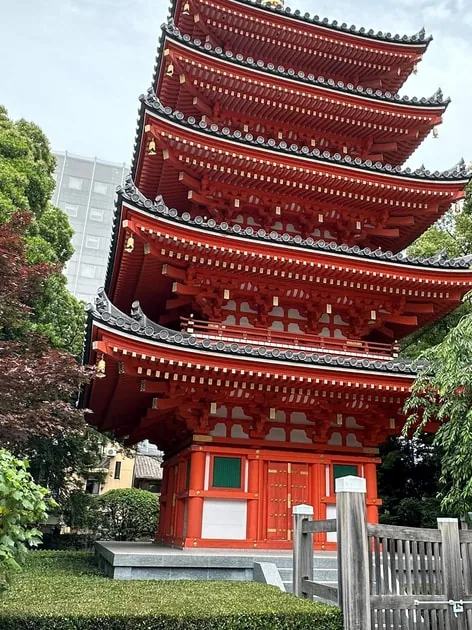
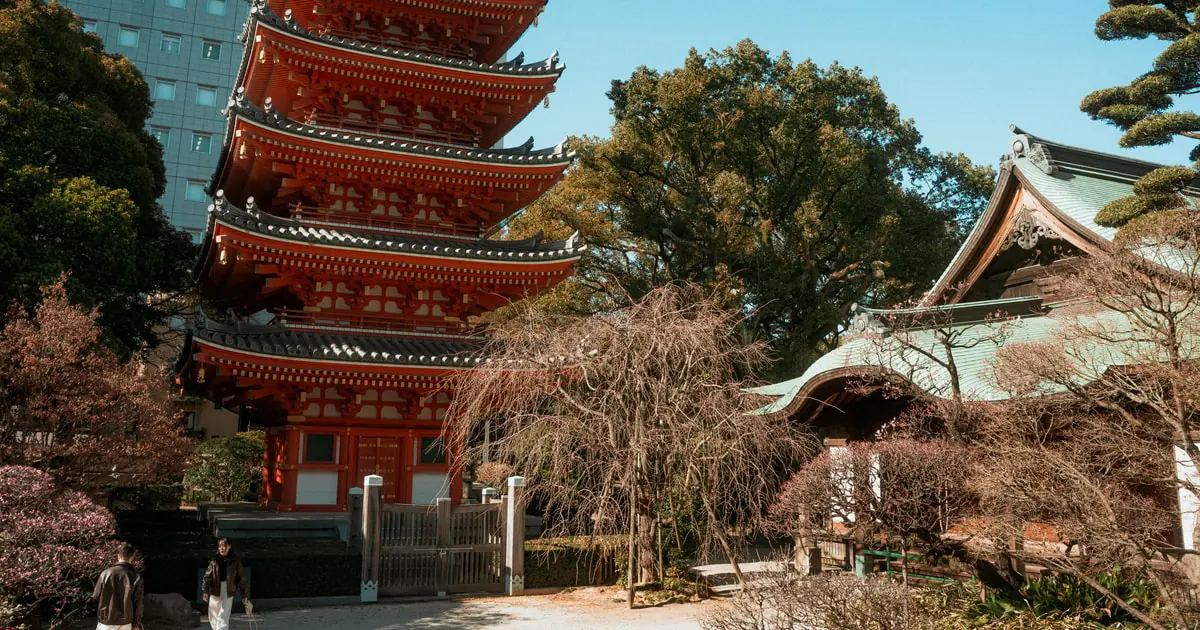
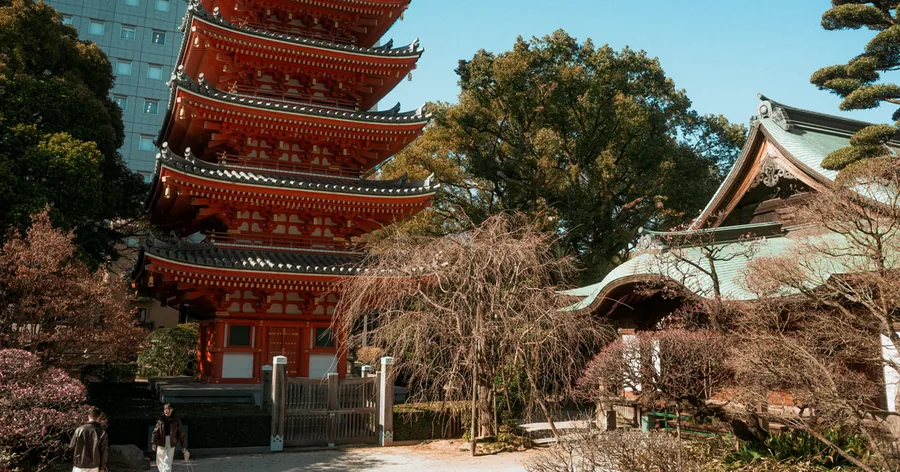
Tochoji's pagoda, ten minutes on foot from Hakata Station.
01
Need a tour?
No. The subway and your feet reach most sights; a guide adds the stories and the yatai.
02
How many days?
Two or three: one for Hakata, one for Tenjin and the bay, one for a day trip.
03
Where to stay?
Hakata for trains and temples, Tenjin for shopping and nightlife.
04
Must eat?
Hakata ramen, mentaiko and motsunabe, ideally at a yatai.
A day in the city
Four stops through Fukuoka
The route most city tours follow, and the one to take if you go on your own: temples in the
morning, the castle park in the afternoon, the yatai at night.
01
Old Hakata's temples
Shofukuji, the first Zen temple in Japan, Tochoji and its great wooden Buddha, and quiet lanes a few minutes from Hakata Station.
Morning
02
Kushida and Kawabata
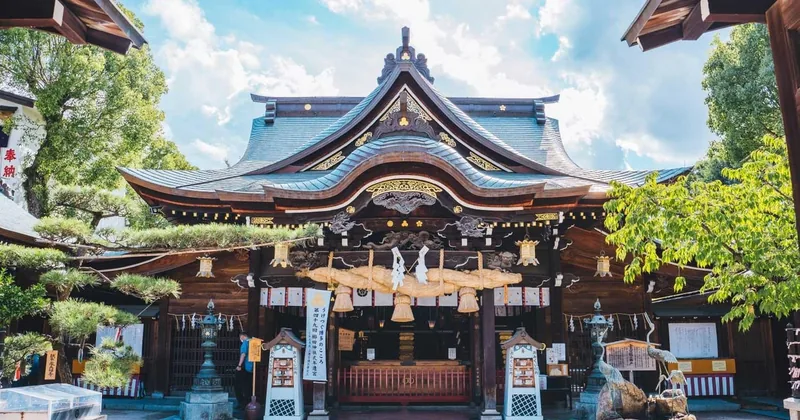
Hakata's guardian shrine with a towering festival float on show, then the covered Kawabata arcade to Nakasu.
Late morning
03
Ohori Park and the castle
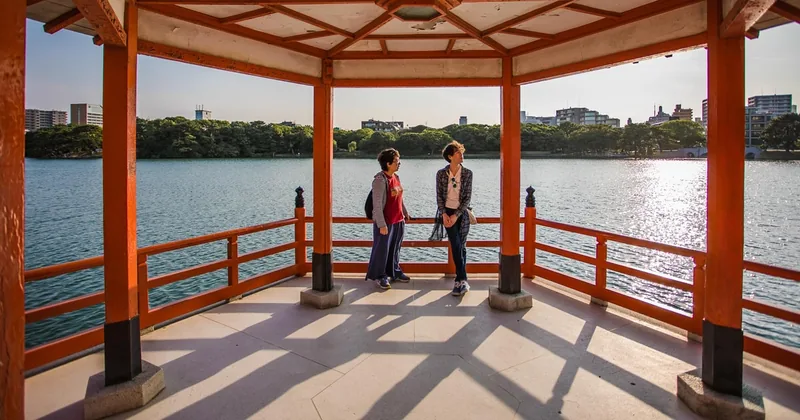
Subway to Ohori Park for a walk around the lake, then up to the stone walls of the Fukuoka Castle ruins.
Afternoon
04
Yatai by the river
As the stalls open in the evening, eat ramen, yakitori and oden elbow to elbow with locals in Nakasu or Tenjin.
Where things are, what to eat, how to move, and what to buy before you leave.
Hakata: the station district and the old merchant town, with Shofukuji, Tochoji and Kushida Shrine within walking distance.
Nakasu: the island between the Naka and Hakata rivers; riverside yatai, Canal City next door and the city's nightlife.
Tenjin: the shopping centre, department stores, an underground mall and a row of yatai.
Ohori Park and the castle: a big lake park and the stone walls of the old castle, west of Tenjin.
Momochi: the waterfront, with Fukuoka Tower and the seaside park.
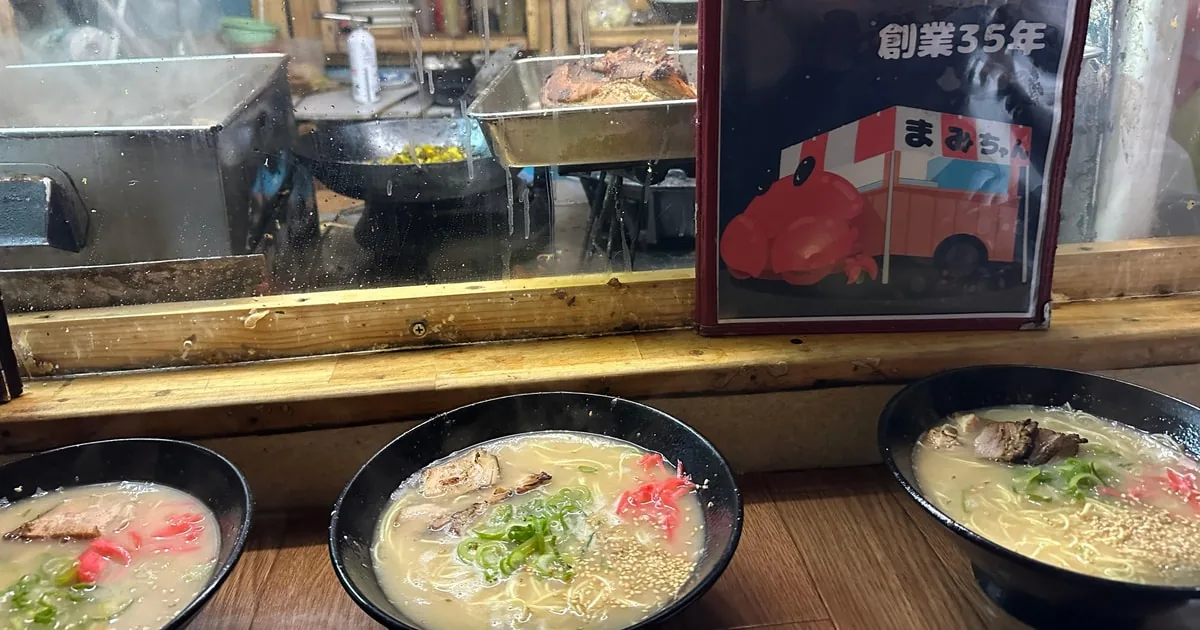
Hakata ramen: creamy pork-bone broth and thin noodles; choose how firm you want them and order a kaedama refill.
Mentaiko: cod roe marinated in chilli, Fukuoka's signature, on rice, in onigiri or on pasta.
Motsunabe: a hotpot of beef or pork offal, cabbage, garlic chives and garlic.
Mizutaki: a gentle chicken hotpot in a milky broth.
Yatai: small open-air stalls with around ten seats; order a drink and a dish or two, then make room for the next guest.
Subway: three lines; the Airport Line links the airport, Hakata, Nakasu-Kawabata, Tenjin and Ohori Park.
IC cards: Hayakaken, nimoca, SUGOCA and Suica all work on the subway and most buses.
Buses: Nishitetsu buses reach the waterfront, Fukuoka Tower and the port.
On foot: Hakata Station to Kushida Shrine is about 15 minutes; Nakasu to Tenjin about 10.
Day passes: subway and bus day passes exist; check the current options at the station.
Mentaiko: ask the shop to pack it with ice for the journey.
Hakata ori: a woven silk textile, made into belts, purses and cases.
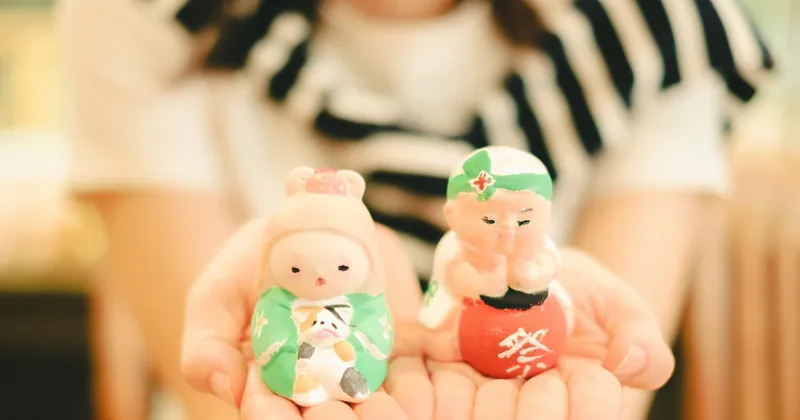
Hakata dolls: hand-painted clay figures; you can paint your own at a workshop in Nakasu.
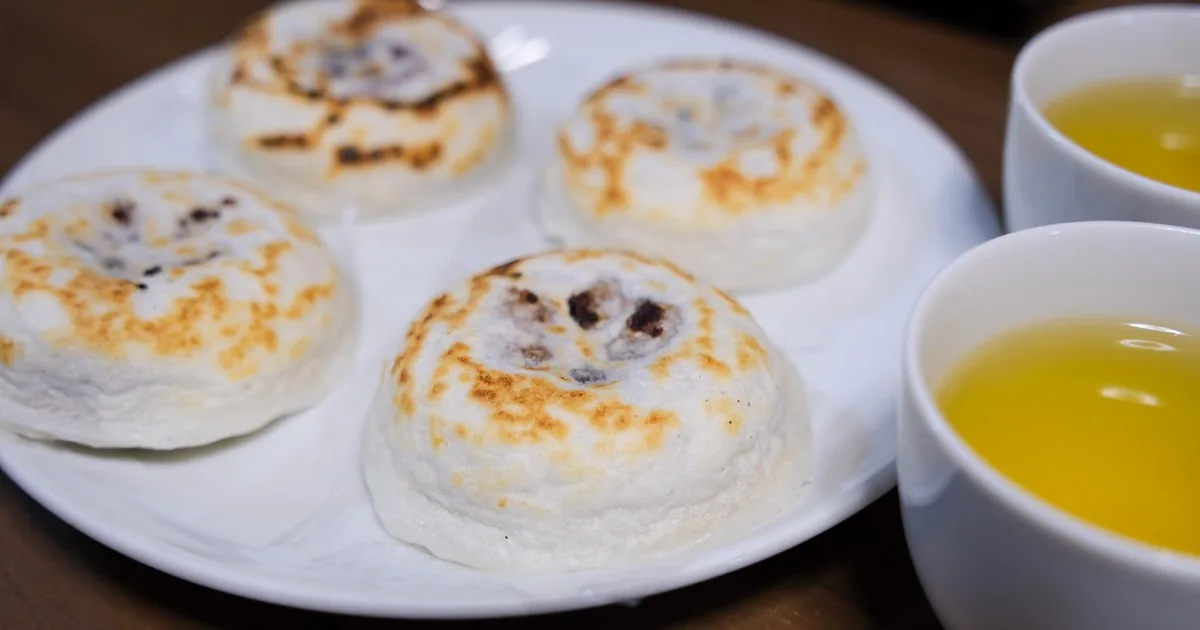
Sweets: Hiyoko chick-shaped cakes, Hakata Torimon and umegae mochi from Dazaifu.
Amaou: Fukuoka's big strawberries, in season in winter and spring.
1195ShofukujiFounded by Eisai as the first Zen temple in Japan.
5 minHakata to TenjinBy subway on the Airport Line.
1-15 JulYamakasaHakata Gion Yamakasa, the city's great festival.
234 mFukuoka TowerThe waterfront tower with a deck at 123 m.
1889One cityHakata and Fukuoka joined as one city.
2.5 hTo OsakaAbout that by the fastest shinkansen.
Where it starts
Old Hakata, by the station
Kushida Shrine and old Hakata
Kamikawabatamachi, Hakata Ward, Fukuoka
Most city walks start at Hakata Station or at a central hotel and head into the old merchant town between the
station and the Naka River. Shofukuji, Tochoji and Kushida Shrine lie within about fifteen minutes on foot of
each other; the Kawabata arcade then runs down to Nakasu and the riverside yatai. Gion Station on the Airport
Line is the closest subway stop to the temples, Nakasu-Kawabata to the shrine.
4.8★★★★★ 74 reviews · Nakasu Yatai Food Stall Night Tour GetYourGuide figure
★★★★★
Over approx three hours our guide took us on an easy walk through a number of impressive temples and tranquil shrine gardens that were readily accessible but would have taken us days of hits and misses to find ourselves.
★★★★★
I had a great evening with my guide Morry. I feel now ready to go to a Food Stall myself and enjoy the atmosphere there on my own.
★★★★★
His patience, guidance, knowledge and general conversation made it a most enjoyable experience. Leisurely pace enabled everything to be absorbed and questioned. His after-tour tips were also a most valuable asset.
★★★★★
He tailored the tour to our interests and speed of walking, made it engaging for the whole family, even our teenager, and offered other activity, shopping, and restaurant recommendations.
★★★★★
He explained to us the areas in Fukuoka that still have their yatais, the history of these small eateries, and the etiquette when eating at these places.
★★★★★
Our guide, Tomo, was wonderful, incredibly knowledgeable and tailored the evening perfectly to our needs. The tour had a wonderful, dynamic, and easygoing pace that allowed us to truly relax and soak everything in.
★★★★★
Luis was an awesome guide. We covered a lot of ground in one day. He was very interesting to talk to and flexible taking us around based off our interests.
★★★★★
Maho was an excellent guide, very knowledgeable and extremely good company. I thoroughly enjoyed my tour and was shown things and had things explained to me that otherwise I wouldn't have seen and known.
★★★★★
After days of rushing it was very nice to relax and paint my doll. The owner was the sweetest too, even though I didn't speak much Japanese she was very understanding.
Beyond the city
A day at Takachiho
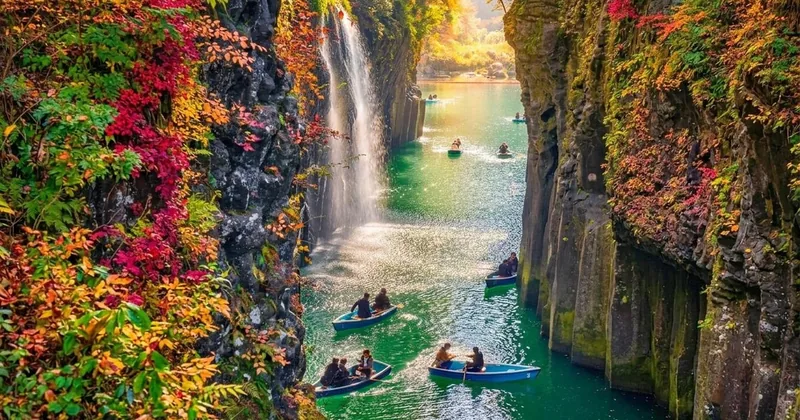
The tour most people book from Fukuoka goes a long way south. If you have a spare day and do not
mind six hours on a coach, Takachiho Gorge is one of the most beautiful places in Kyushu.
Takachiho Gorge & Amaterasu Railway Day Trip
★ 4.8 · 738 reviews · GetYourGuide
The most-booked tour that starts in Fukuoka is not a city tour at all. This coach day runs about three hours each way to Takachiho Gorge, with Manai Falls and an optional rowing boat on the river below, the open-air Amaterasu Railway and a cave shrine. Full refund if you cancel up to 24 hours ahead.
Fukuoka is two towns wearing one name. On the east bank of the Naka River lies Hakata, the old
merchant port that traded with China and Korea for a thousand years; on the west bank lies Fukuoka, the castle
town the Kuroda lords built in the early 1600s. Understanding that split is the key to seeing the city well.
Old Hakata: temples by the station
Walk ten minutes from Hakata Station and the office blocks give way to temple walls. Shofukuji, founded in
1195 by the monk Eisai, is the first Zen temple in Japan; its grounds are open to walk, though most of the halls
are not. Jotenji nearby claims a part in bringing udon, soba and manju to Japan. Tochoji, with its red
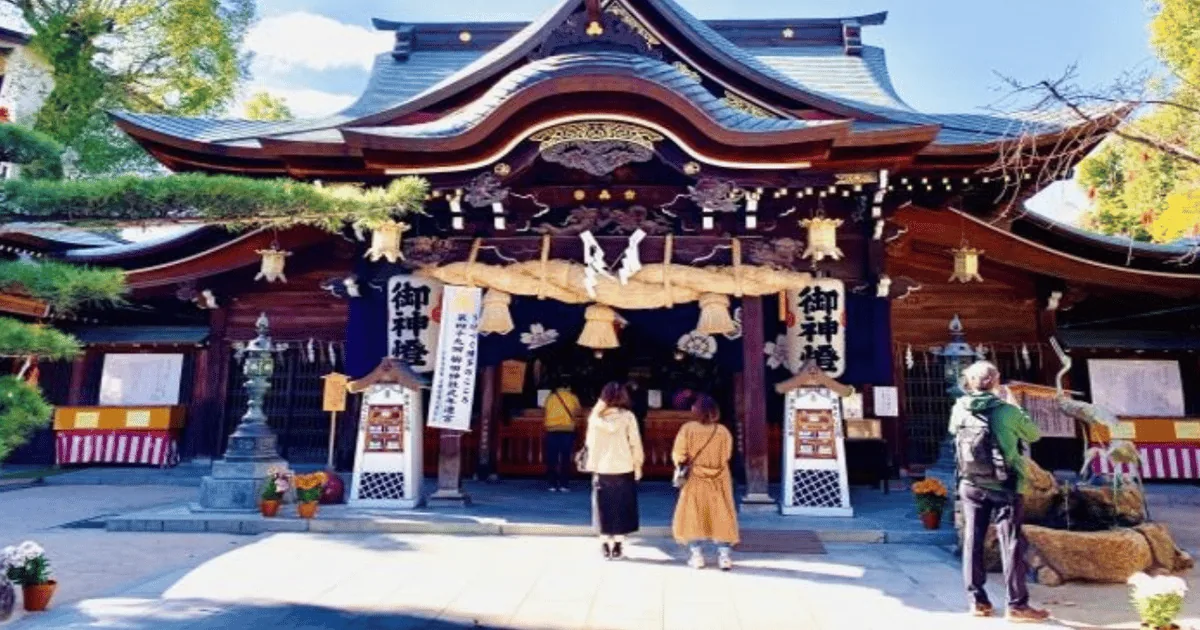
five-storey pagoda, houses one of the largest seated wooden Buddhas in the country. A few streets on, Kushida
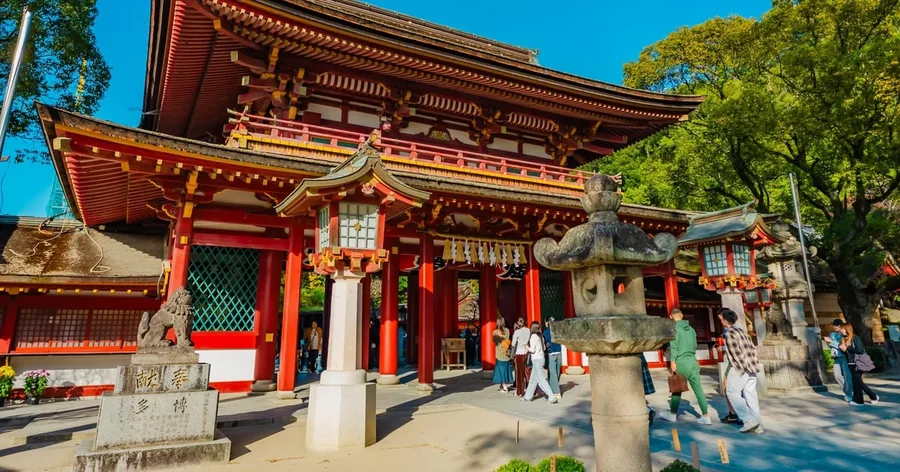
Shrine has watched over Hakata's merchants for centuries, and keeps a towering decorated festival float on
display for most of the year. No ticket is needed for any of the grounds, and in the morning they are calm.
The temple lanes of old Hakata, minutes from the station.
The yatai, and how they work
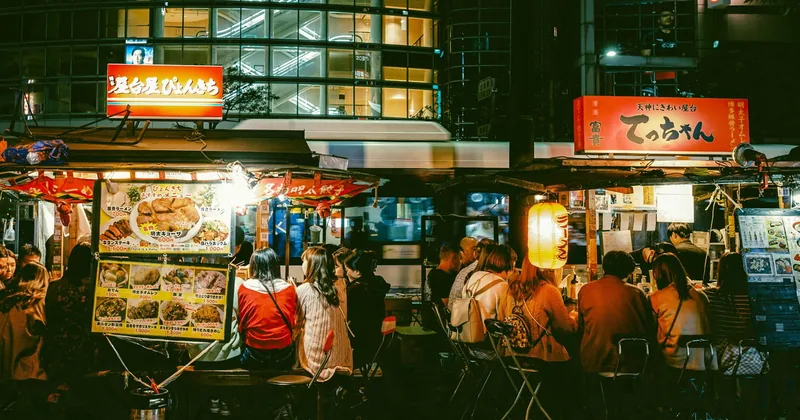
Fukuoka is Japan's yatai capital. Every evening, around a hundred small wheeled stalls are set up along the
river in Nakasu, in Tenjin and near Nagahama, each with a counter, a curtain and seats for about ten. They serve
ramen, yakitori, oden, gyoza and whatever the owner is known for, and they are packed away again before morning.
The etiquette is simple: order a drink and a dish or two, do not linger when people are waiting, and ask before
you take photos. Some take cards, many prefer cash. Stalls close in heavy rain, and each takes its own day off.
The honest small print: you do not need a tour to see Fukuoka; the subway and your own feet
reach nearly everything. A guide is worth it for your first yatai night, where the menus are short and often only
in Japanese, and for the stories behind the temples of old Hakata. The city tours here have tens of reviews, not
hundreds; the day trips with big numbers leave the city.
Tenjin, the castle and the bay
Cross the river and you reach Tenjin, the shopping heart of Kyushu, with department stores above ground and a
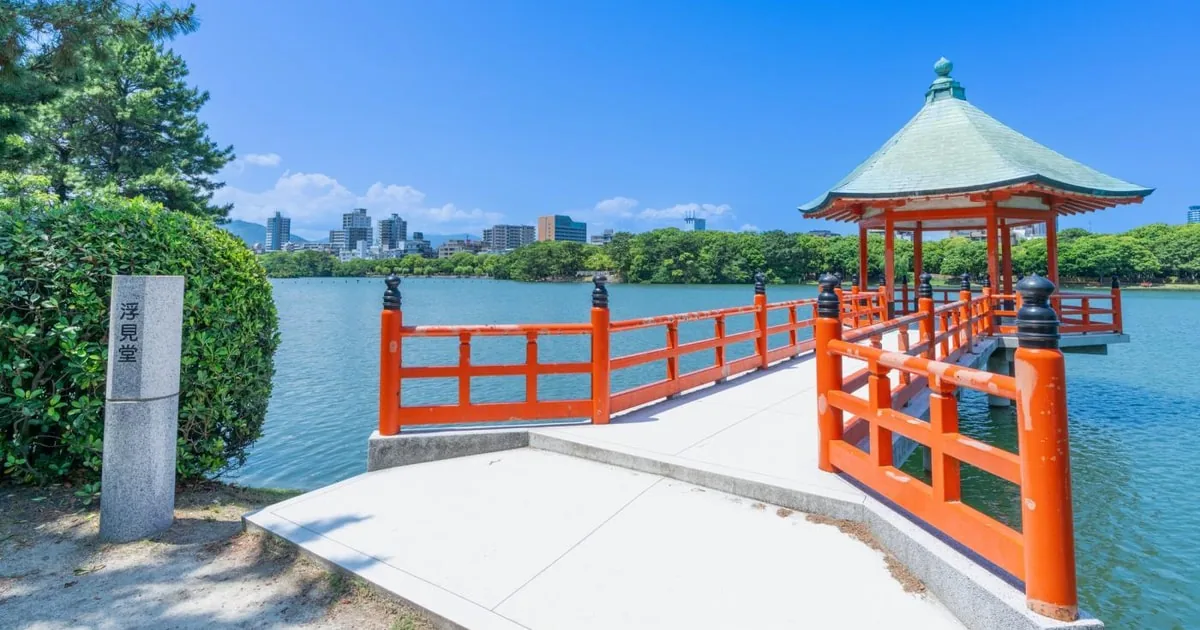
long underground mall below. A few subway stops west, Ohori Park wraps a path around a lake built from the old
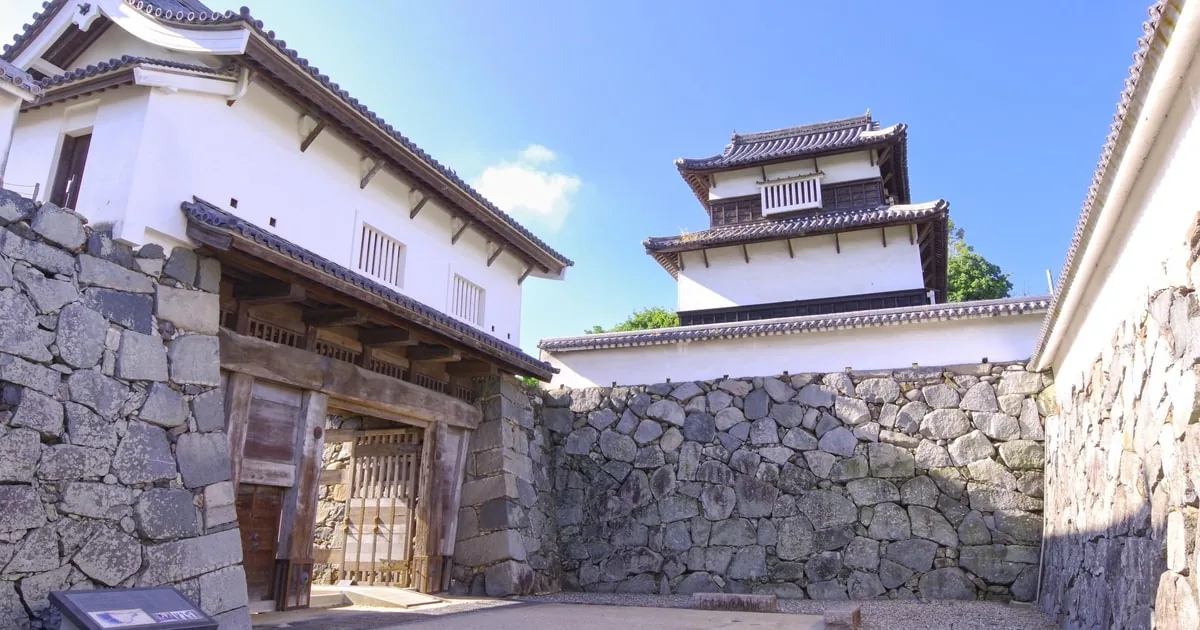
castle moat, and the stone walls of the Fukuoka Castle ruins rise just beside it; in late March the ruins are one
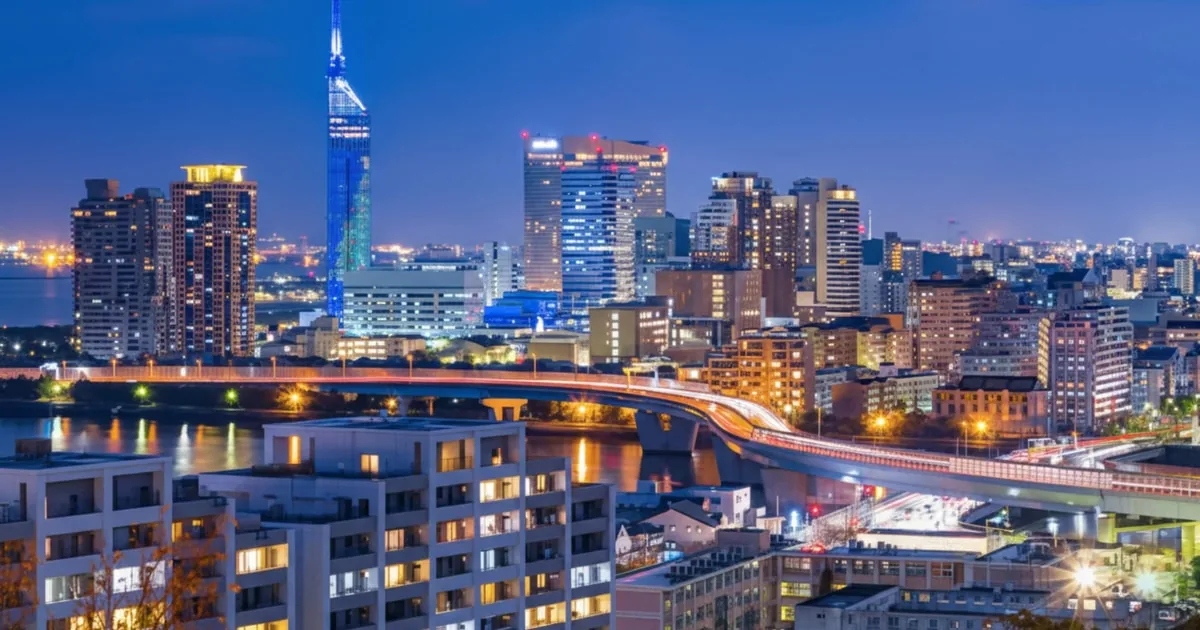
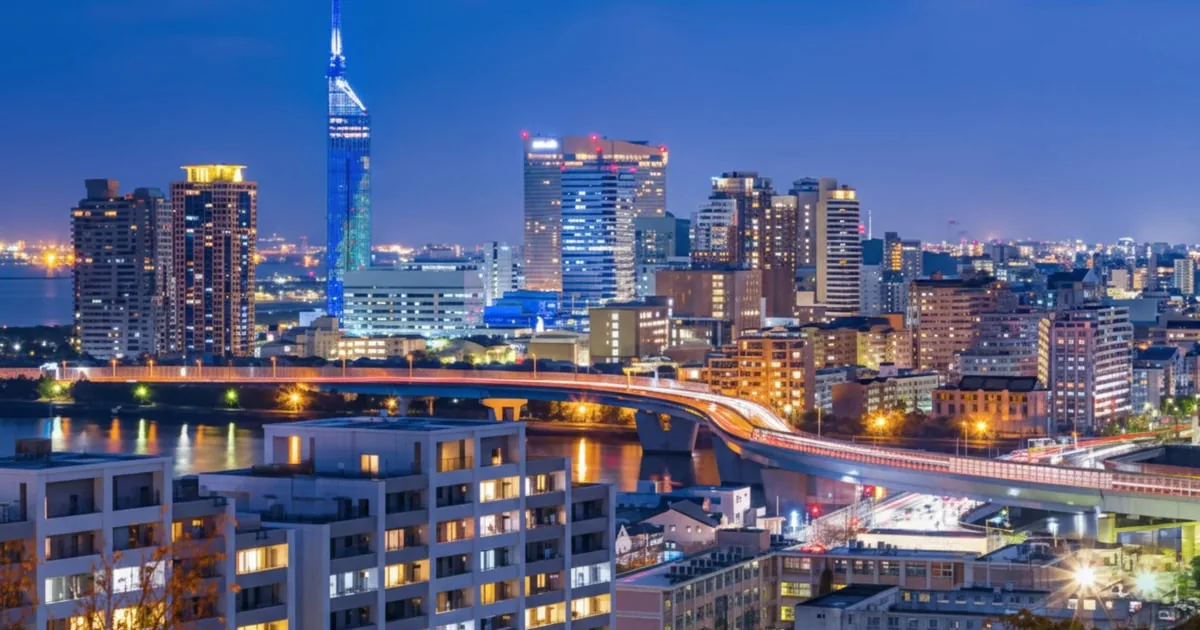
of the city's favourite cherry blossom spots. Further out on the waterfront, Fukuoka Tower stands 234 m tall with
an observation deck at 123 m, and Momochi Seaside Park has an artificial beach looking across the bay.
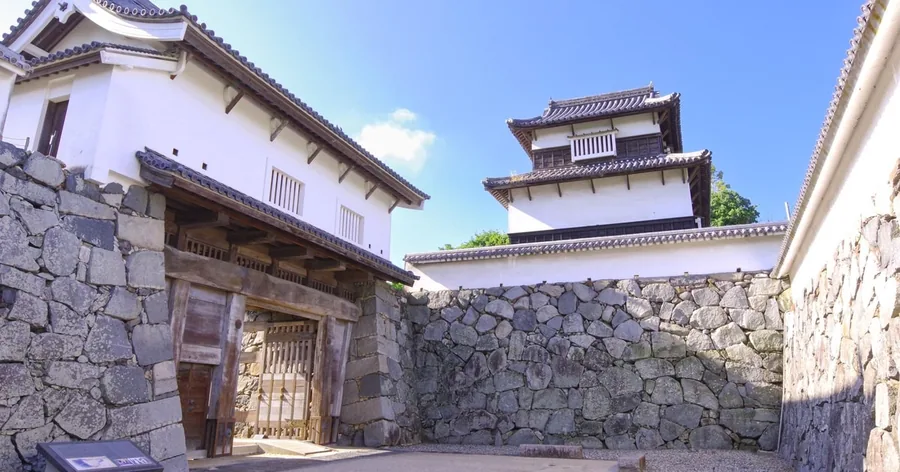
The Fukuoka Castle ruins, beside Ohori Park.
What to eat
Hakata ramen is the one dish everyone knows: a creamy, pork-bone tonkotsu broth with thin, straight noodles,
served fast. You pick how firm the noodles should be, from soft to barely cooked, and when they are gone you order
a kaedama, a second portion to drop into the soup. Mentaiko, cod roe cured in chilli, was first sold in Nakasu in
1949 by a shopkeeper who had grown up in Busan, and is now the city's best-known souvenir. In winter, motsunabe and mizutaki hotpots steam in every
neighbourhood, and in Dazaifu the grilled umegae mochi is the snack of the shrine road.
How long to stay
One full day is enough for old Hakata, Ohori Park and a yatai evening. Two days let you add Tenjin, the bay and
Fukuoka Tower without hurrying. With three, spend one outside the city: Dazaifu and its great shrine are about
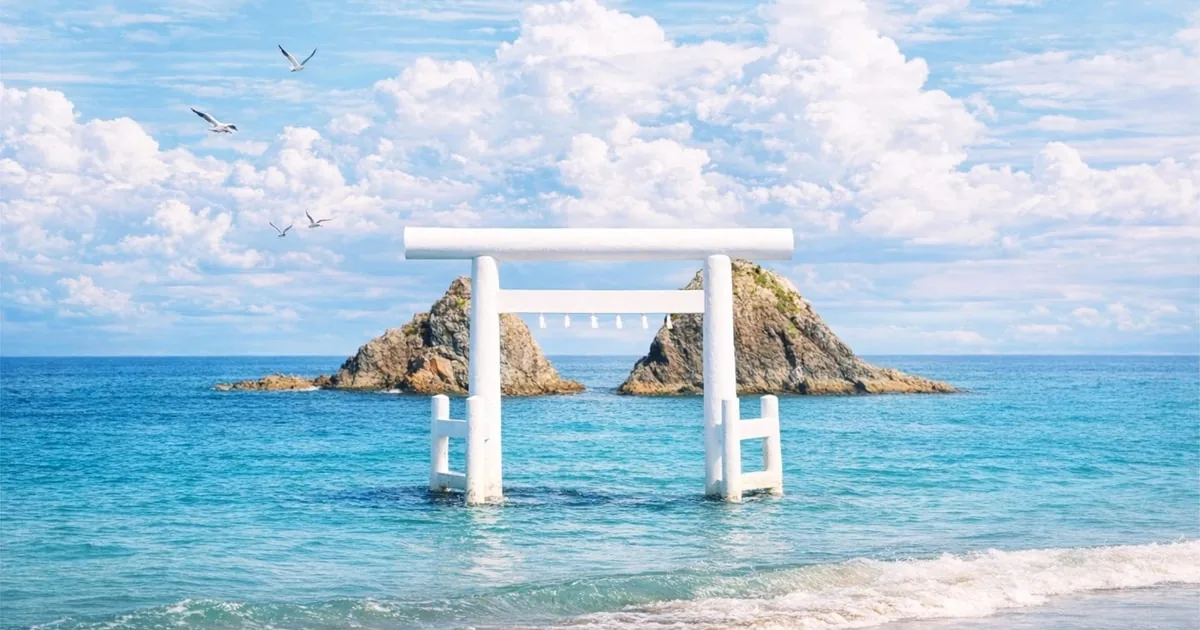
half an hour away, the canal town of Yanagawa and the beaches of Itoshima a little further. Fukuoka is also an easy
base for Kyushu, and the fastest shinkansen reaches Osaka in about two and a half hours.
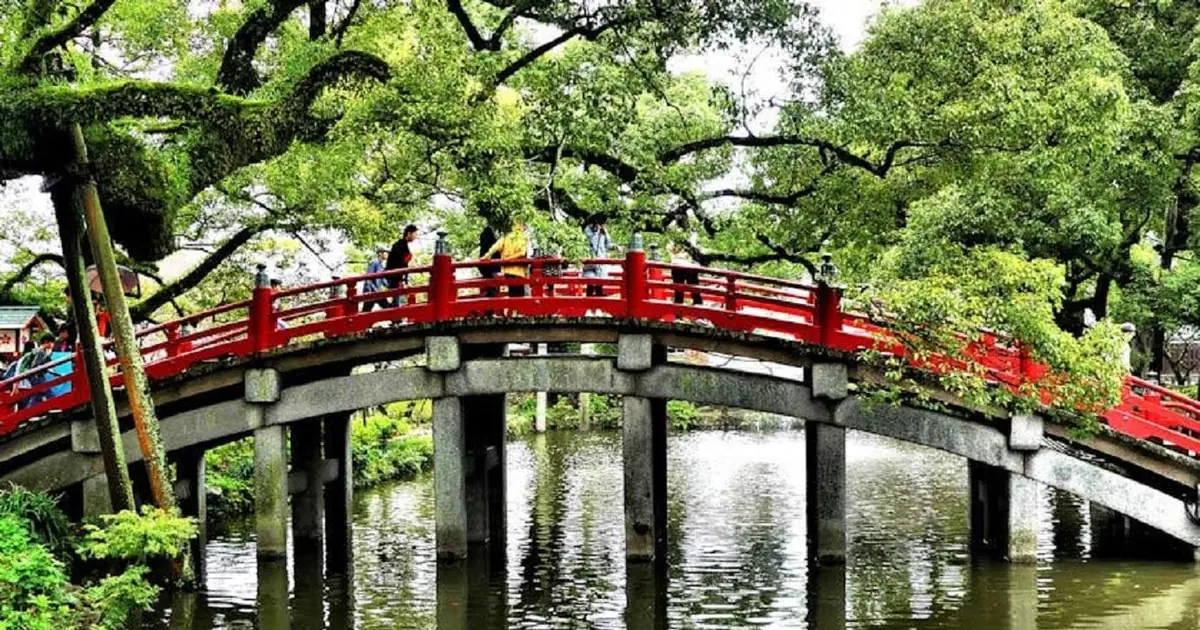
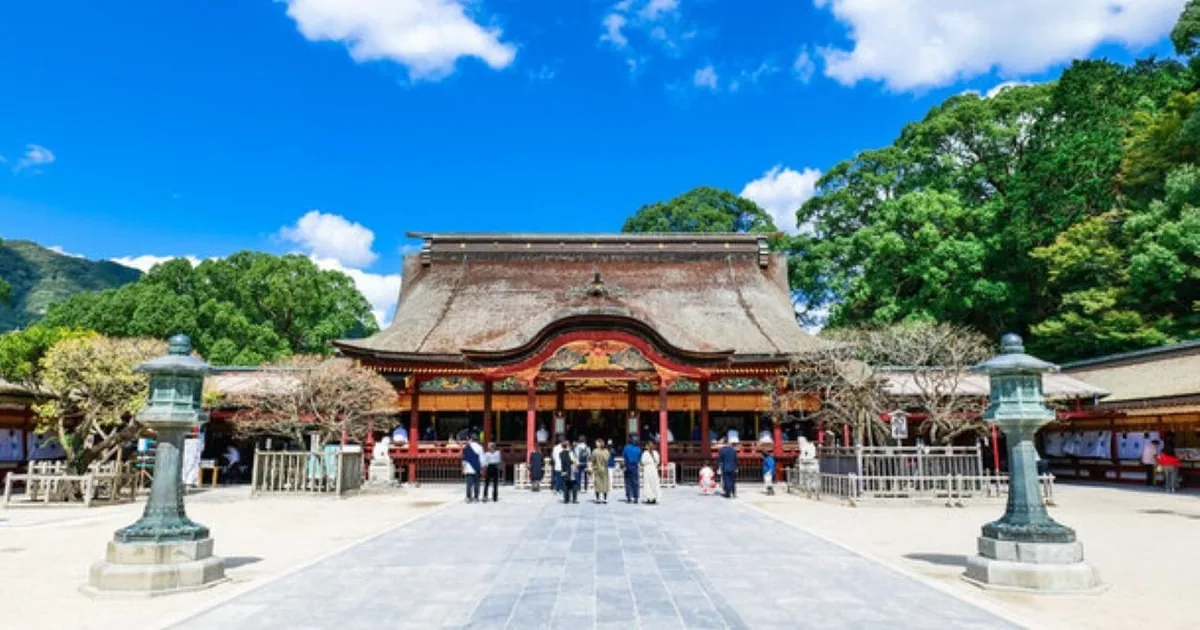
Dazaifu Tenmangu, the classic half-day trip from Fukuoka.
Straight answers to what visitors ask most about Fukuoka.
What are some popular tours in Fukuoka?
Inside the city, the most-booked tours are evening yatai food stall tours and three-hour walks through old Hakata past Shofukuji, Tochoji and Kushida Shrine. The listings with hundreds of reviews are coach day trips out of the city, to Takachiho Gorge, Mount Aso or Beppu. All of them side by side in the comparison.
What is Fukuoka most famous for?
Hakata tonkotsu ramen, mentaiko (spicy cod roe) and the yatai, the open-air food stalls that open along the river in Nakasu and in Tenjin every evening. Also the Hakata Gion Yamakasa festival in July, and an airport so close that the subway reaches Hakata Station in about five minutes. The food in what to eat in Fukuoka.
How long to spend in Fukuoka City?
Two to three days. One full day covers old Hakata, Ohori Park and a yatai evening; a second adds Tenjin, the waterfront and Fukuoka Tower; a third is for a day trip to Dazaifu, Yanagawa or Itoshima. Day by day in Fukuoka in three days.
What can I do in Fukuoka in one day?
Start at the temples of old Hakata (Shofukuji, Tochoji, Kushida Shrine), walk through the Kawabata arcade to Nakasu, take the subway to Ohori Park and the castle ruins in the afternoon, then eat at the yatai by the river. The full route in one day in Fukuoka.
What is a must eat in Fukuoka?
Hakata ramen in a rich pork-bone broth with thin noodles (order a kaedama, a second serving of noodles), mentaiko, motsunabe hotpot, mizutaki chicken hotpot, goma saba sesame mackerel and, in Dazaifu, umegae mochi. A yatai evening is the classic way to try several.
Which is better, Hakata or Tenjin?
For a first stay, Hakata: the station, the temples and Kushida Shrine are on foot, and trains to the rest of Kyushu leave from the door. Tenjin is the shopping and nightlife centre, with many yatai. They are about five minutes apart by subway. Both compared in Hakata or Tenjin.
Which month is best to visit Fukuoka, Japan?
March to May and October to November: mild, mostly dry and good for walking, with cherry blossom at the castle ruins in late March and autumn colours in November. The rainy season runs from about early June to mid-July, and August and September can bring typhoons. Month by month in the best time to visit.
What is the best kept secret in Fukuoka?
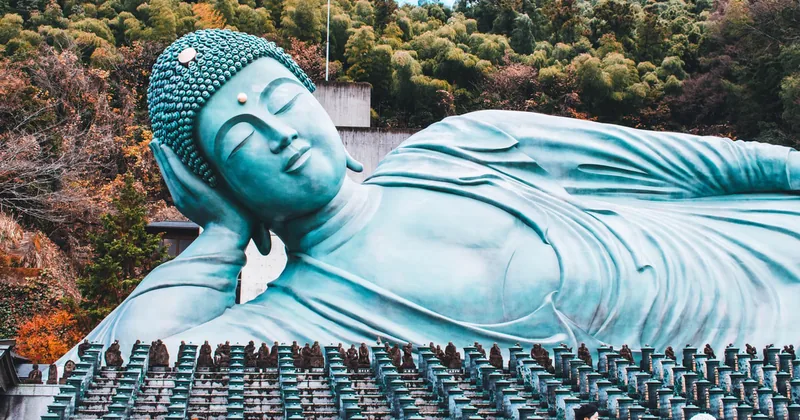
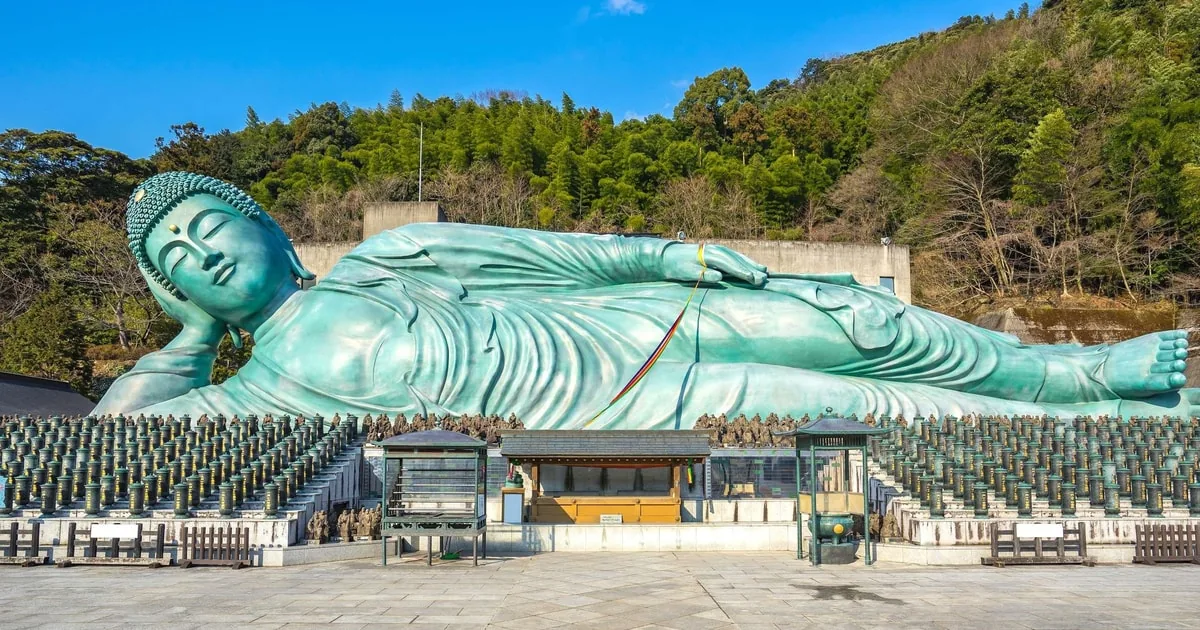
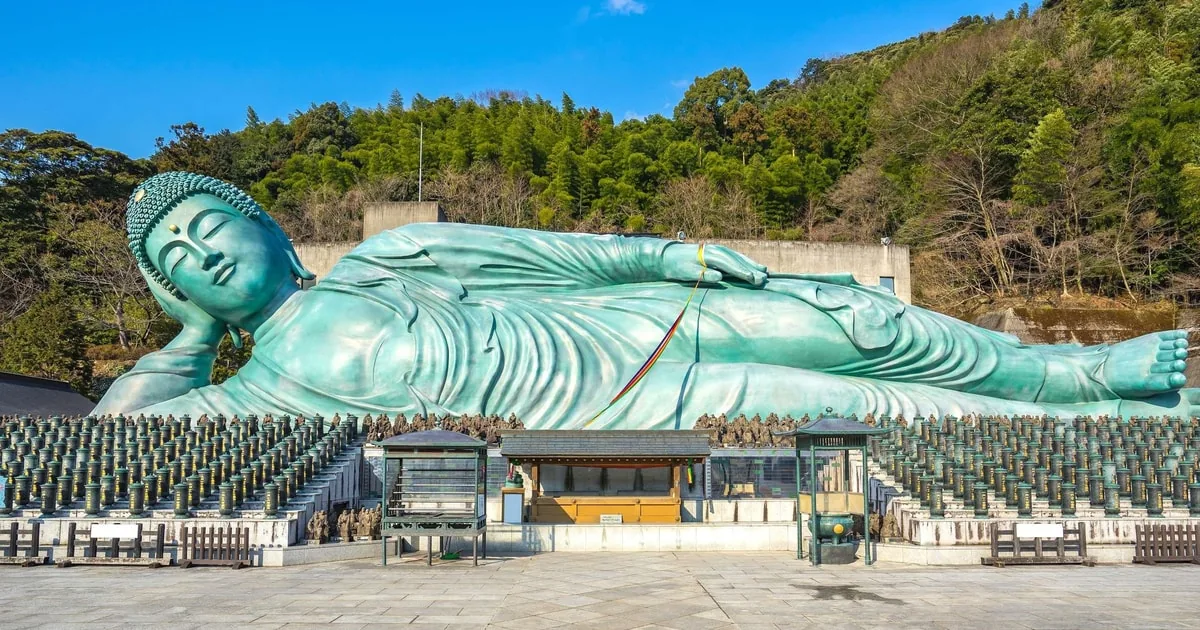
Probably the temple quarter of old Hakata, a few minutes from the station and usually quiet: Shofukuji, the first Zen temple in Japan, Tochoji and the narrow lanes around them. Out of town, the bronze reclining Buddha of Nanzoin in Sasaguri. More in Fukuoka's hidden gems.
What is must buy in Fukuoka?
Mentaiko from a Hakata shop (packed with ice for travel), Hakata ori woven textiles, a hand-painted Hakata doll, and sweets such as Hiyoko or Hakata Torimon. Amaou strawberries are a Fukuoka speciality in winter and spring.
Is Osaka or Fukuoka better?
They suit different trips. Osaka is bigger and louder, with more sights and easy day trips to Kyoto and Nara. Fukuoka is compact and relaxed, the city is easy to cover on foot and by subway, and it is the gateway to Kyushu. Many travellers do both: the fastest shinkansen takes about two and a half hours between them.
Is Fukuoka good for shopping?
Yes. Tenjin has the big department stores and the Tenjin underground mall; Hakata Station has AMU Plaza and Hakata Hankyu; Canal City Hakata sits in between. For local crafts and snacks, try the Kawabata arcade.
Is Fukuoka closer to Tokyo or Osaka?
Osaka, by a long way: about 500 km against about 900 km to Tokyo. The shinkansen takes about two and a half hours to Shin-Osaka and about five hours to Tokyo; to Tokyo most people fly. Fukuoka is actually closer to Busan in South Korea than to Osaka.
Ready to go
Old Hakata by day, the yatai by night.
Instant confirmation on GetYourGuide, with the refund terms shown on every option.

 Most reviewed
★ 4.82 hours74 reviews
Most reviewed
★ 4.82 hours74 reviews